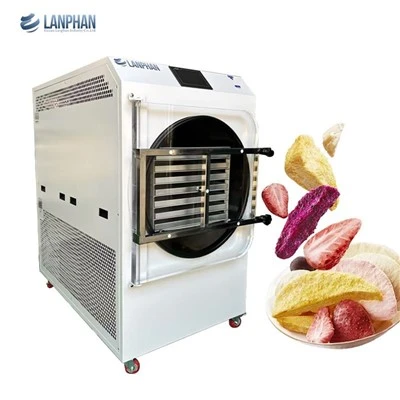
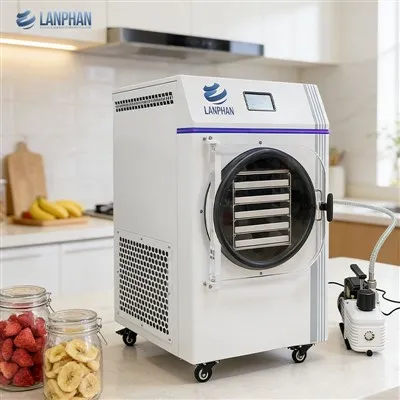
As a supplier of Freeze Dryer Home Units, I am often asked about how these remarkable machines preserve nutrients in food. In this blog, I will delve into the science behind freeze-drying and explain how our home units can help you keep the nutritional value of your food intact.
The Science of Freeze-Drying
Freeze-drying, also known as lyophilization, is a process that removes water from a substance while preserving its structure, flavor, and nutritional content. The process involves three main stages: freezing, primary drying, and secondary drying.
Freezing
The first step in freeze-drying is to freeze the food. This is typically done at very low temperatures, often below -40°C (-40°F). By freezing the food rapidly, the water inside the cells turns into ice crystals. The size of these ice crystals is crucial; smaller crystals cause less damage to the cell structure of the food. Our Freeze Dryer Home Unit is designed to achieve a rapid freeze, ensuring that the ice crystals are as small as possible.
Primary Drying
Once the food is frozen, the primary drying stage begins. This stage involves reducing the pressure in the drying chamber to a very low level, close to a vacuum. At this low pressure, the ice crystals in the food directly turn into water vapor without passing through the liquid phase. This process is called sublimation. During sublimation, the water vapor is removed from the chamber, leaving behind the freeze-dried food. The low temperature and vacuum environment in our Freeze Dryer Machine for Home Use Food ensure that the food retains its nutritional value during this critical stage.
Secondary Drying
After the primary drying stage, there may still be some residual water in the food. The secondary drying stage is designed to remove this remaining moisture. This is done by slightly increasing the temperature while maintaining a low pressure. The goal is to remove as much water as possible without causing any damage to the food's structure or nutritional content. Our Home Freeze Dryer Equipment is optimized to perform this stage efficiently, ensuring that the food is thoroughly dried and ready for long-term storage.
How Freeze-Drying Preserves Nutrients
One of the key advantages of freeze-drying is its ability to preserve the nutritional value of food. Here's how it works:
Minimizing Oxidation
Oxidation is a chemical reaction that can cause the degradation of nutrients in food, such as vitamins and antioxidants. When food is freeze-dried, the low temperature and vacuum environment significantly reduce the presence of oxygen. This minimizes the oxidation process, allowing the nutrients in the food to remain stable. For example, vitamins like vitamin C and vitamin E, which are sensitive to oxidation, can be better preserved in freeze-dried food compared to other preservation methods.
Maintaining Enzyme Activity
Enzymes are proteins that play a crucial role in many biological processes in food. However, enzymes can also cause spoilage and nutrient loss if they are not properly controlled. Freeze-drying deactivates enzymes by freezing them in place. Since the enzymes are inactive at low temperatures, they cannot cause the breakdown of nutrients in the food. This helps to maintain the nutritional integrity of the food over time.
Preserving Cell Structure
The rapid freezing process in freeze-drying helps to preserve the cell structure of the food. When the water inside the cells turns into ice crystals, the cells are protected from damage. This is important because a damaged cell structure can lead to the loss of nutrients. By keeping the cell structure intact, freeze-drying ensures that the nutrients remain within the cells and are not lost during the drying process.


Benefits of Using a Freeze Dryer Home Unit
Using a Freeze Dryer Home Unit offers several benefits when it comes to preserving nutrients in food:
Freshness and Flavor
Freeze-dried food retains its original flavor and texture much better than other preservation methods. This is because the low temperature and gentle drying process do not cause the food to shrink or lose its shape. As a result, you can enjoy the same great taste and texture of fresh food even after it has been freeze-dried.
Long-Term Storage
Freeze-dried food has a much longer shelf life compared to fresh food. Since most of the water has been removed, there is less moisture available for bacteria and mold to grow. This means that freeze-dried food can be stored for months or even years without spoiling. You can stock up on your favorite foods and have them readily available whenever you need them.
Nutritional Value
As mentioned earlier, freeze-drying preserves the nutritional value of food. This is especially important for people who want to maintain a healthy diet. By using a freeze dryer at home, you can ensure that you are getting the maximum nutritional benefit from your food.
Making Your Own Freeze-Dried Food at Home
With our Home Freeze Dryer Equipment, you can easily make your own freeze-dried food at home. Here are some tips to get you started:
Choose the Right Foods
Not all foods are suitable for freeze-drying. Generally, fruits, vegetables, meats, and dairy products are good candidates. However, some foods with high fat content may not freeze-dry as well. Experiment with different types of food to see what works best for you.
Prepare the Food
Before placing the food in the freeze dryer, make sure to clean and cut it into small, uniform pieces. This will ensure that the food dries evenly. You can also blanch vegetables before freeze-drying to help preserve their color and nutrients.
Follow the Instructions
Our freeze dryer comes with detailed instructions on how to operate it. Make sure to follow these instructions carefully to ensure the best results. Pay attention to the temperature and time settings, as these can affect the quality of the freeze-dried food.
Conclusion
In conclusion, a Freeze Dryer Home Unit is an excellent tool for preserving the nutrients in food. By using the process of freeze-drying, you can enjoy the benefits of fresh, nutritious food for a longer period of time. Whether you are looking to stock up on healthy snacks or preserve your harvest, our Freeze Dried Food Homemade solutions can help you achieve your goals.
If you are interested in learning more about our Freeze Dryer Home Units or would like to discuss purchasing options, please feel free to reach out. We are here to assist you in finding the perfect solution for your needs.
References
- "Freeze Drying: Principles and Practice" by George N. Liapis and Athanasios G. Karathanos
- "Food Preservation Techniques" by Maria Corradini and D. Julian McClements