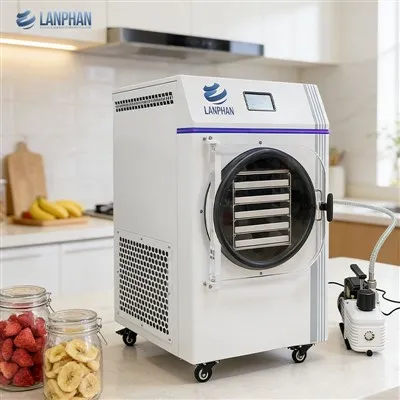
Hey there! As a supplier of industrial freeze dryers, I've seen my fair share of common problems that can crop up. In this blog, I'll walk you through how to troubleshoot these issues so you can keep your freeze dryer running smoothly.
1. Poor Vacuum Performance
One of the most common problems in an industrial freeze dryer is poor vacuum performance. If you notice that the vacuum level isn't reaching the desired setpoint or is fluctuating, here are some things to check:
- Leak Detection: First things first, you need to check for leaks in the system. A small leak can significantly affect the vacuum performance. You can use a leak detector to find any leaks in the pipes, valves, or seals. Look for signs of air hissing or use a soapy water solution on the connections. If you see bubbles forming, that's a sign of a leak. Fix the leak by tightening the connections or replacing faulty seals.
- Pump Issues: The vacuum pump is a crucial component of the freeze dryer. If it's not working properly, it can lead to poor vacuum performance. Check the pump oil level. If it's low, top it up. Also, look for any signs of damage or wear on the pump. If the pump is making strange noises or not running smoothly, it might need to be serviced or replaced.
- Condenser Frosting: A frosted condenser can also affect the vacuum. The condenser is responsible for capturing the water vapor during the freeze-drying process. If it's frosted up, it can reduce the efficiency of the system. You can defrost the condenser by turning off the freeze dryer and letting it warm up naturally. Make sure to clean the condenser regularly to prevent excessive frosting.
2. Temperature Fluctuations
Another common problem is temperature fluctuations during the freeze-drying process. This can affect the quality of the final product. Here's how you can troubleshoot this issue:
- Thermocouple Calibration: The thermocouple is used to measure the temperature inside the freeze dryer. If it's not calibrated correctly, it can give inaccurate temperature readings. You can calibrate the thermocouple using a reference thermometer. Make sure to follow the manufacturer's instructions for calibration.
- Refrigeration System: The refrigeration system is responsible for maintaining the low temperatures in the freeze dryer. Check the refrigerant levels and make sure the compressor is working properly. If the refrigerant levels are low, it could be a sign of a leak. Have a professional technician check and repair any leaks and recharge the refrigerant if necessary.
- Insulation: Poor insulation can also cause temperature fluctuations. Check the insulation around the freeze dryer chamber. If it's damaged or worn, replace it. This will help to maintain a more stable temperature inside the chamber.
3. Product Freezing Issues
Sometimes, the product might not freeze properly during the freeze-drying process. This can lead to uneven drying and a lower quality final product. Here's what you can do:
- Loading Density: Make sure you're not overloading the freeze dryer. If there's too much product in the chamber, it can prevent proper freezing. Follow the manufacturer's guidelines for the maximum loading capacity.
- Freezing Rate: The freezing rate can also affect the quality of the product. If the product freezes too slowly, it can form large ice crystals, which can damage the product structure. You can adjust the freezing rate by setting the appropriate temperature and time parameters on the freeze dryer.
- Product Placement: How you place the product in the chamber can also make a difference. Make sure the product is evenly distributed and not blocking the airflow. This will ensure that the product freezes uniformly.
4. Defrosting Problems
Defrosting is an important part of the freeze-drying process, but it can sometimes be problematic. Here are some issues you might encounter and how to solve them:
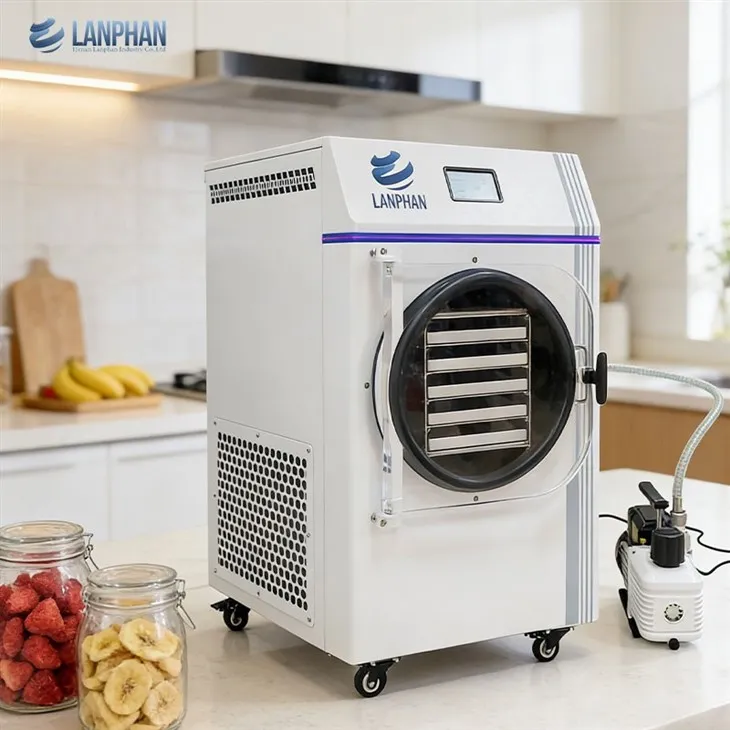

- Long Defrosting Times: If the defrosting process is taking too long, it could be due to a dirty condenser or a malfunctioning defrost heater. Clean the condenser regularly to remove any frost or debris. Check the defrost heater to make sure it's working properly. If it's not, replace it.
- Incomplete Defrosting: Sometimes, the defrosting might not be complete, leaving some frost on the condenser. This can be caused by a faulty defrost thermostat or a problem with the defrost cycle settings. Check the defrost thermostat and adjust the defrost cycle settings if necessary.
5. Electrical Issues
Electrical problems can also occur in an industrial freeze dryer. Here's what to look out for:
- Power Supply: Make sure the freeze dryer is properly connected to a stable power supply. Check the power cord for any damage or loose connections. If there are any issues, replace the power cord or tighten the connections.
- Control Panel Malfunctions: If the control panel isn't working properly, it can affect the operation of the freeze dryer. Check the control panel for any error messages. If there are error messages, refer to the user manual to troubleshoot the problem. Sometimes, a simple reset of the control panel can solve the issue.
- Circuit Breaker Trips: If the circuit breaker keeps tripping, it could be due to an electrical short or an overloaded circuit. Check the electrical components in the freeze dryer for any signs of damage. If you're not sure how to fix the problem, call a professional electrician.
Conclusion
Troubleshooting common problems in an industrial freeze dryer can seem daunting, but by following these steps, you can identify and fix most issues. Remember, regular maintenance and proper operation are key to keeping your freeze dryer in good working condition.
If you're in the market for a freeze dryer, we offer a range of options. Check out our Small Home Freeze Dryer Machine, Smart Food Freeze Dryer Machine, and Vacuum Home Freeze Dryer.
If you have any questions or are interested in purchasing an industrial freeze dryer, don't hesitate to reach out. We're here to help you find the right solution for your needs.
References
- Manufacturer's user manuals for industrial freeze dryers
- Industry best practices for freeze dryer maintenance and troubleshooting