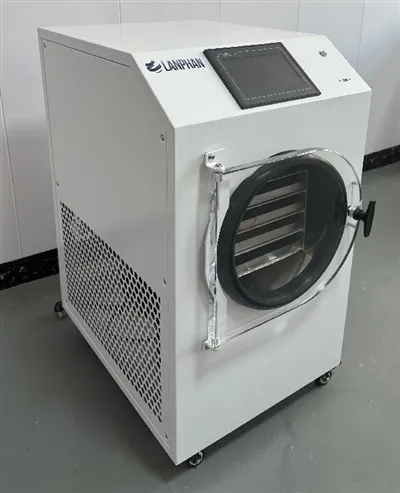
When it comes to the world of laboratory equipment, a lab spray dryer is an indispensable tool for various industries such as pharmaceuticals, food, and chemicals. It plays a crucial role in transforming liquid materials into dry powders through a process known as spray drying. As a lab spray dryer supplier, I often get asked about the price range of these machines. In this blog post, I will delve into the factors that influence the price of a lab spray dryer and provide you with a general price range.


Factors Affecting the Price of a Lab Spray Dryer
1. Type of Spray Dryer
There are different types of lab spray dryers available in the market, each with its own unique features and price points. For example, the Centrifugal Spray Dryer uses a high - speed rotating disk to atomize the liquid feed. This type of spray dryer is known for its high production capacity and is often more expensive due to its complex design and advanced technology.
On the other hand, the Two Fluid Nozzle Spray Dryer uses compressed air to atomize the liquid. It is relatively simpler in design and is generally more affordable. The choice between these types depends on the specific requirements of the application, such as the nature of the feed material, the desired particle size, and the production volume.
2. Capacity
The capacity of a lab spray dryer is another significant factor that affects its price. A Pilot Scale Spray Dryer is designed for larger - scale production and has a higher evaporation rate compared to a standard laboratory spray dryer. These larger - capacity machines require more materials, more powerful components, and more sophisticated control systems, which all contribute to a higher price.
Smaller - capacity Laboratory Spray Dryer are suitable for research and development purposes or small - batch production. They are more budget - friendly as they have less complex structures and lower energy consumption.
3. Features and Technology
Modern lab spray dryers come with a wide range of features and advanced technologies. Some models are equipped with precise temperature control systems, which ensure consistent product quality. Others may have advanced safety features, such as automatic shutdown in case of abnormal conditions.
For instance, a spray dryer with a touch - screen interface and remote monitoring capabilities is likely to be more expensive than a basic model. These additional features enhance the functionality and convenience of the machine but also add to its cost.
4. Brand and Manufacturer
The brand and manufacturer of the lab spray dryer also play a role in determining its price. Well - established brands with a reputation for high - quality products and excellent customer service often charge a premium for their machines. These brands invest heavily in research and development, quality control, and after - sales support, which justifies the higher price.
However, there are also lesser - known manufacturers that offer competitive prices without compromising on quality. It is important to do thorough research and read customer reviews to make an informed decision.
General Price Range
The price of a lab spray dryer can vary widely depending on the factors mentioned above. Generally, a basic laboratory spray dryer with a small capacity and standard features can cost anywhere from $2,000 to $15,000. These models are suitable for small - scale research and development projects or educational institutions with limited budgets.
For a mid - range lab spray dryer with more advanced features, such as better temperature control and a higher evaporation rate, the price can range from $15,000 to $30,000. These machines are often used in industrial research laboratories or small - scale production facilities.
If you are looking for a high - end Pilot Scale Spray Dryer or a Centrifugal Spray Dryer with top - of - the - line features and large production capacity, the price can exceed $30,000 and go up to $100,000 or more. These machines are typically used in large - scale industrial production, such as the production of Spray Dryer Machine For Milk Powder.
Making the Right Choice
When considering purchasing a lab spray dryer, it is essential to evaluate your specific needs. If you are conducting basic research or small - batch production, a more affordable model may be sufficient. However, if you require high - volume production and precise control over the drying process, investing in a more expensive and advanced machine is advisable.
It is also important to consider the long - term costs, such as maintenance, energy consumption, and spare parts. A higher - quality machine may have a higher upfront cost but can save you money in the long run due to its lower maintenance requirements and energy efficiency.
Contact Us for Purchasing
If you are interested in purchasing a lab spray dryer, we are here to assist you. Our team of experts can help you choose the right model based on your specific requirements and budget. We offer a wide range of lab spray dryers, including Centrifugal Spray Dryer, Pilot Scale Spray Dryer, Spray Dryer Machine For Milk Powder, Laboratory Spray Dryer, and Two Fluid Nozzle Spray Dryer.
We understand that making a purchase decision can be challenging, especially when it comes to expensive laboratory equipment. That's why we provide detailed product information, technical support, and after - sales service to ensure that you are satisfied with your purchase. Contact us today to start the purchasing process and take your research or production to the next level.
References
- Perry, R. H., & Green, D. W. (1997). Perry's Chemical Engineers' Handbook. McGraw - Hill.
- Masters, K. (1991). Spray Drying Handbook. John Wiley & Sons.