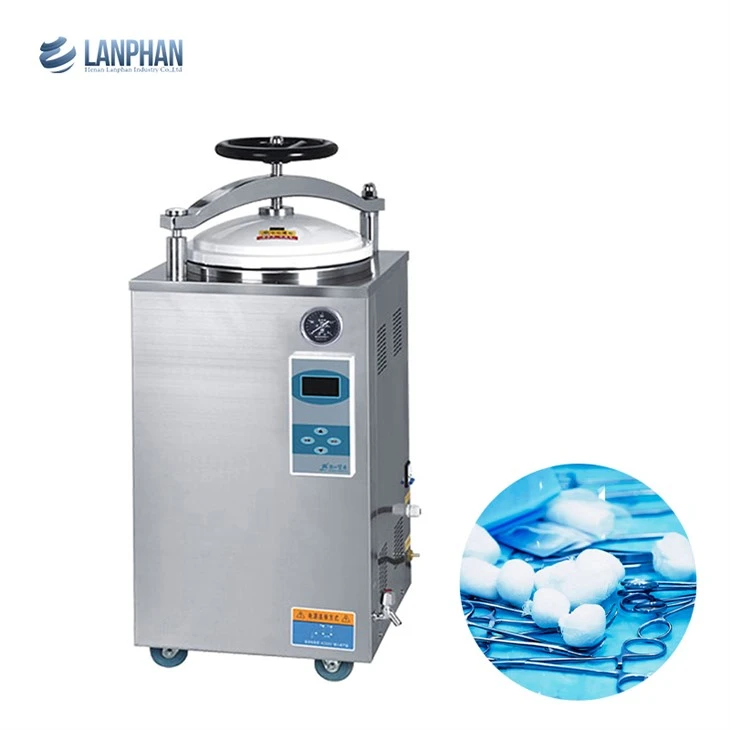
Hey there! As a vertical autoclave supplier, I know firsthand how crucial it is to use these machines safely. Vertical autoclaves are super handy for sterilizing all sorts of stuff, from medical equipment to laboratory materials. But if you don't take the right safety precautions, things can go south pretty quickly. So, let's dive into some key safety measures you need to keep in mind when using a vertical autoclave.
Pre - operation Checks
Before you even think about firing up the autoclave, you've got to do a thorough pre - operation check. First off, take a good look at the autoclave's exterior. Check for any visible damage like cracks, dents, or loose parts. If you spot anything suspicious, don't use the autoclave until it's been properly inspected and repaired.
Next, examine the door seal. A tight seal is essential for the autoclave to work effectively and safely. Look for signs of wear and tear, such as cracks or gaps. If the seal isn't in good shape, it can lead to steam leaks, which are not only dangerous but can also affect the sterilization process. You can gently run your finger along the seal to feel for any irregularities.
Also, make sure to check the water level. Vertical autoclaves rely on water to generate steam, and if the water level is too low, it can cause the heating element to overheat and potentially damage the autoclave. Most autoclaves have a water level indicator that makes it easy to check this. If the water is below the recommended level, add distilled or deionized water. Tap water can contain minerals that can build up inside the autoclave over time and cause problems.
Loading the Autoclave
How you load the autoclave matters a lot. Don't overpack it. Overloading can restrict the flow of steam, which means that not all of your items will get properly sterilized. You want to leave enough space between the items to allow steam to circulate freely.
When placing items inside, make sure they are arranged in a way that won't cause them to tip over or block the steam vents. For example, if you're sterilizing test tubes, place them in a rack so they stand upright. And if you're using containers, make sure they are made of materials that can withstand the high temperature and pressure inside the autoclave. Some plastics may melt or release harmful chemicals under these conditions, so stick to heat - resistant materials like stainless steel or glass.
If you're sterilizing different types of items, you might want to group them together based on their sterilization requirements. For instance, items that need a longer sterilization time can be placed in one area, while those that require a shorter time can be put in another. This helps ensure that everything gets the appropriate treatment.

Operating the Autoclave
Once you've loaded the autoclave and done your pre - operation checks, it's time to start the sterilization process. First, set the correct temperature and pressure according to the items you're sterilizing. Different materials and equipment have different sterilization requirements, so refer to the manufacturer's guidelines.
When you start the autoclave, make sure you stand clear of the door. During operation, the autoclave builds up a lot of pressure, and if there's a sudden release, it can be very dangerous. Don't try to open the door prematurely, even if you think the cycle is taking too long. Let the autoclave complete its full cycle as programmed.
Keep an eye on the autoclave's control panel during operation. Look for any error messages or abnormal readings. If the temperature or pressure seems off, stop the autoclave immediately and consult the manual or your supplier for guidance.
After - operation Procedures
After the sterilization cycle is complete, wait for the autoclave to cool down and for the pressure to drop to a safe level before opening the door. This can take some time, so be patient. Rushing to open the door can cause hot steam to escape suddenly, which can lead to burns.
When you do open the door, be careful of any remaining steam. It's a good idea to open the door slowly and let the steam escape gradually. Use heat - resistant gloves to remove the items from the autoclave, and place them on a heat - resistant surface to cool further.
Once you've removed all the items, clean the autoclave. Wipe down the interior with a damp cloth to remove any debris or residue. You may also need to drain and refill the water in the autoclave periodically to prevent the buildup of minerals.
Special Safety Considerations for Different Types of Vertical Autoclaves
We offer a variety of vertical autoclaves, each with its own specific features. For example, our 100l Autoclave has a relatively large capacity. With larger autoclaves like this, it's even more important to ensure proper loading and circulation of steam. Make sure to distribute the items evenly to avoid any dead spots where steam can't reach.
Our Mushroom Sterilizer Machine is designed specifically for mushroom cultivation. When using this type of autoclave, pay attention to the specific sterilization time and temperature required for mushroom substrates. Over - sterilization can destroy the nutrients in the substrate, while under - sterilization can lead to contamination.
The Autoclave Vertical 200 Litres is another high - capacity option. Similar to the 100 - liter autoclave, proper loading is crucial. Also, because of its larger size, it may take longer to heat up and cool down, so plan your sterilization cycles accordingly.
Our Vertical Steam Sterilizer Autoclave uses steam to sterilize. Always make sure the steam supply is stable and that the steam lines are properly connected and not damaged. Any steam leaks can not only be a safety hazard but also affect the sterilization efficiency.
The Counter Pressure Autoclave is a bit more complex. It uses counter - pressure to prevent the boiling of liquids during sterilization. When using this autoclave, make sure you understand how the counter - pressure system works and follow the instructions carefully. Incorrect use of the counter - pressure feature can lead to inaccurate sterilization results or even cause damage to the autoclave.
Maintenance and Training
Regular maintenance is key to keeping your vertical autoclave safe and in good working condition. Follow the manufacturer's maintenance schedule, which may include tasks like checking the valves, calibrating the sensors, and replacing worn - out parts.
It's also important to provide proper training to anyone who will be using the autoclave. Training should cover all aspects of operation, from pre - operation checks to after - operation procedures. Make sure the operators understand the safety risks involved and know how to respond in case of an emergency.
Conclusion
Using a vertical autoclave can be a great way to ensure the sterilization of your important items, but it's not without its risks. By following these safety precautions, you can minimize the chances of accidents and ensure that your autoclave works effectively for years to come.
If you're in the market for a vertical autoclave or have any questions about safety, feel free to reach out. We're here to help you make the right choice and ensure that you're using your autoclave safely. Whether you need a small autoclave for a laboratory or a large - capacity one for an industrial setting, we've got you covered. Contact us to start a conversation about your needs and let's find the perfect autoclave solution for you.
References
- Manufacturer's manuals for vertical autoclaves.
- Industry standards and guidelines for autoclave safety.