Hey there! So, I'm running a business that supplies vertical autoclaves. One question I get asked a ton is, "What is the pressure range of a vertical autoclave?" Well, let's dive right into it.
Understanding Vertical Autoclaves
Vertical autoclaves are super handy machines used in various industries like healthcare, laboratories, and food processing. They use steam under pressure to sterilize equipment, materials, and even waste. The basic principle behind them is that high - pressure steam can reach temperatures higher than the normal boiling point of water, which helps in killing bacteria, viruses, and other harmful microorganisms effectively.
General Pressure Range
Most vertical autoclaves operate within a pressure range of 0.1 to 0.25 MPa (megapascals). To put it in more familiar terms for those used to the imperial system, that's roughly 14.5 to 36.3 psi (pounds per square inch). This range is carefully calibrated because it allows the autoclave to hit the right temperatures. At a pressure of around 0.1 MPa (15 psi), the steam inside the autoclave can reach about 121°C (250°F). This temperature is well - known in the sterilization world because it's been proven to be effective in killing a wide range of pathogens, including heat - resistant spores.
The specific pressure within this range that a vertical autoclave operates at depends on a few factors. First off, the type of material being sterilized is crucial. For instance, if you're sterilizing heat - sensitive materials, you might want to keep the pressure and temperature on the lower end of the range to avoid damaging them. On the other hand, when dealing with tough - to - kill organisms or dense materials, a higher pressure and temperature might be necessary.
Industry - Specific Pressure Requirements
In the healthcare industry, vertical autoclaves often operate at the higher end of the pressure range. Hospitals need to ensure that all surgical instruments, dressings, and other medical supplies are completely sterile. A pressure of 0.2 MPa (29 psi) or so, which can achieve temperatures around 134°C (273°F), is commonly used for this purpose. This higher temperature and pressure combination can kill even the most stubborn spores in a relatively short period.
Laboratories have different needs. Some biological samples or delicate equipment might not withstand high pressures. So, in research labs, autoclaves might be set to a pressure of around 0.12 to 0.15 MPa (17.4 to 21.8 psi). This allows for effective sterilization without harming sensitive materials.
In the food processing industry, vertical autoclaves are used to sterilize food products to extend their shelf - life. The pressure range here can vary widely depending on the type of food. For canned goods, a pressure of 0.15 to 0.2 MPa (21.8 to 29 psi) is often used to ensure that the food is properly sterilized and safe for consumption.
Our Product Offerings
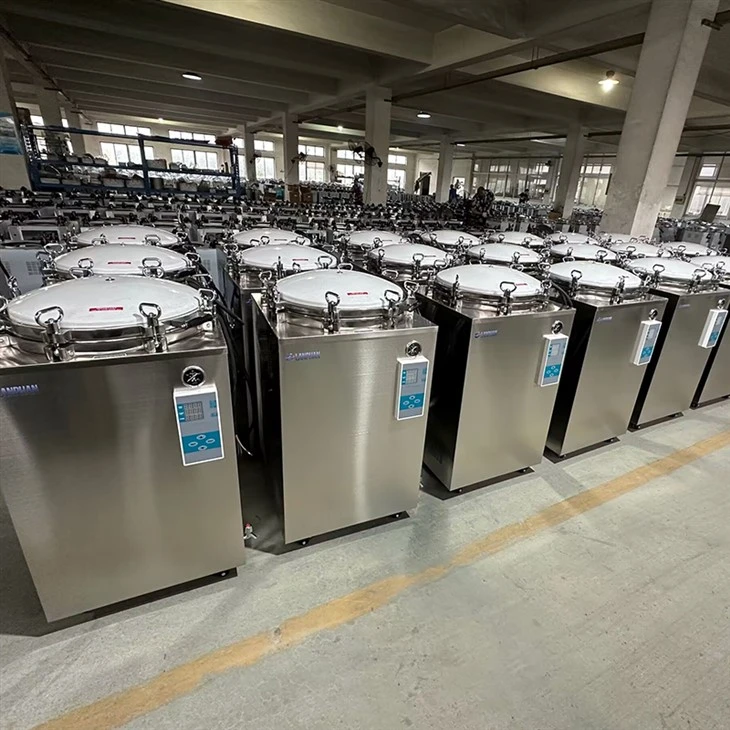
If you're in the market for a vertical autoclave, we've got a great selection. Check out our 100l Autoclave. It's a large - capacity autoclave that can handle high - volume sterilization jobs. With a fully adjustable pressure range, you can set it according to your specific needs, whether it's for a hospital, a large laboratory, or a food processing plant.
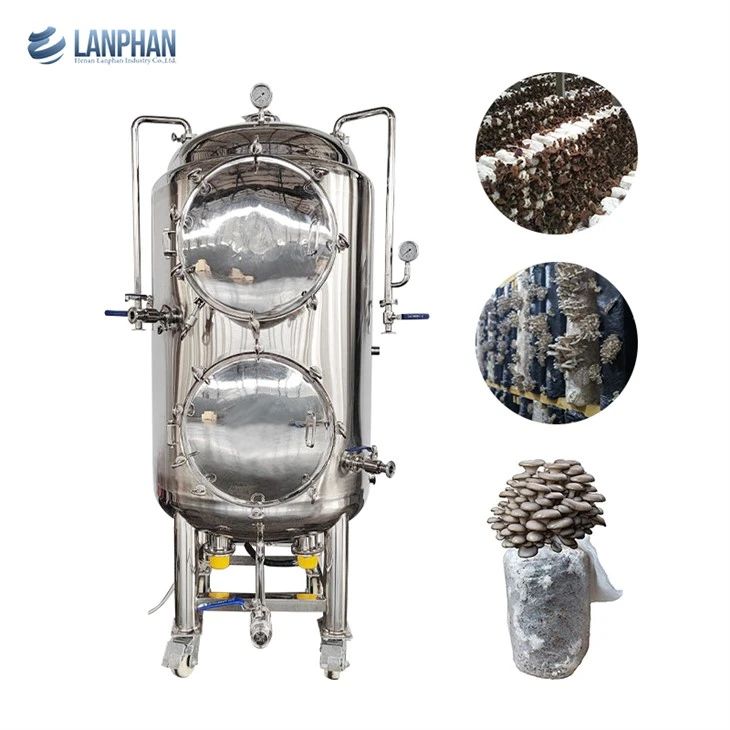
For those who are into mushroom cultivation, we have the Mushroom Sterilizer Machine. This autoclave is designed to meet the unique sterilization requirements of mushroom growing. It operates within an optimal pressure range to create a sterile environment for mushroom spores, ensuring a healthy and abundant harvest.
If you have limited space or only need to sterilize small quantities of items, our Small Autoclave Sterilizer is the perfect choice. It's compact yet powerful, with a pressure range that can kill all common pathogens.
The Counter Pressure Autoclave is another great option. It uses a counter - pressure system that allows for more precise control over the sterilization process. This can be especially useful when dealing with materials that are sensitive to pressure changes.
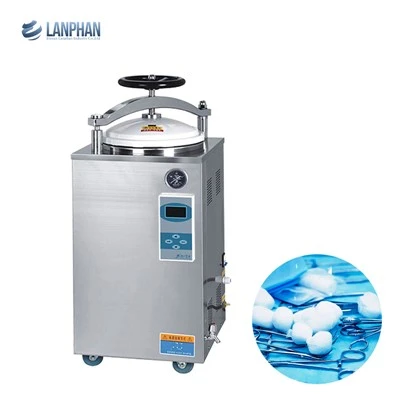
And of course, we have the Vertical Steam Sterilizer Autoclave, which is a versatile machine suitable for a wide range of applications. It offers a stable and adjustable pressure range to suit different sterilization needs.
Importance of Maintaining the Right Pressure
Maintaining the correct pressure in a vertical autoclave is crucial. If the pressure is too low, the steam won't reach the necessary temperature to kill all the microorganisms. This can lead to incomplete sterilization, which can be a huge problem in industries like healthcare and food processing. On the other hand, if the pressure is too high, it can damage the materials being sterilized and even pose a safety risk.
Most modern vertical autoclaves come with built - in pressure sensors and control systems to ensure that the pressure stays within the correct range. Regular maintenance and calibration of these systems are also essential to keep the autoclave functioning properly.
Contact Us for Your Autoclave Needs
If you're interested in purchasing a vertical autoclave or just have more questions about their pressure ranges and how they work, don't hesitate to reach out. We're here to help you find the perfect autoclave for your specific requirements. Whether you're a small business or a large institution, we've got a solution for you.
References
- Block, S. S. (Ed.). (2001). Disinfection, sterilization, and preservation. Lippincott Williams & Wilkins.
- American National Standards Institute. (2018). Standards for steam sterilization in healthcare facilities.
- ISO 11134:1994. Packaging for terminally sterilized medical devices.